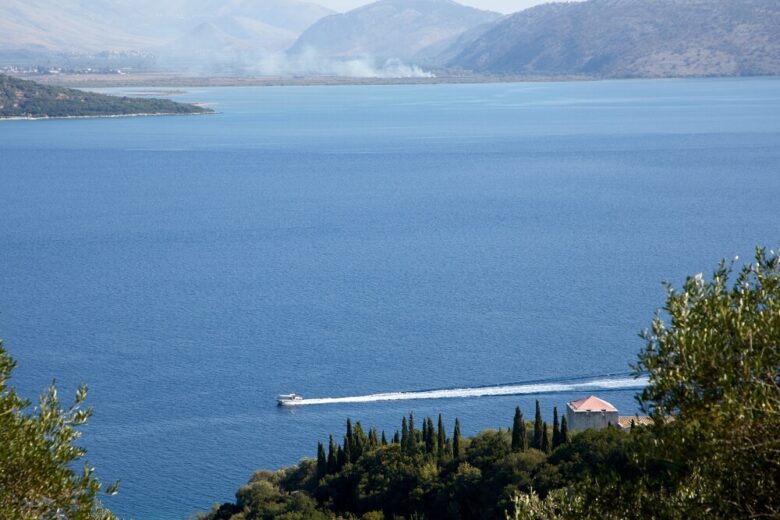
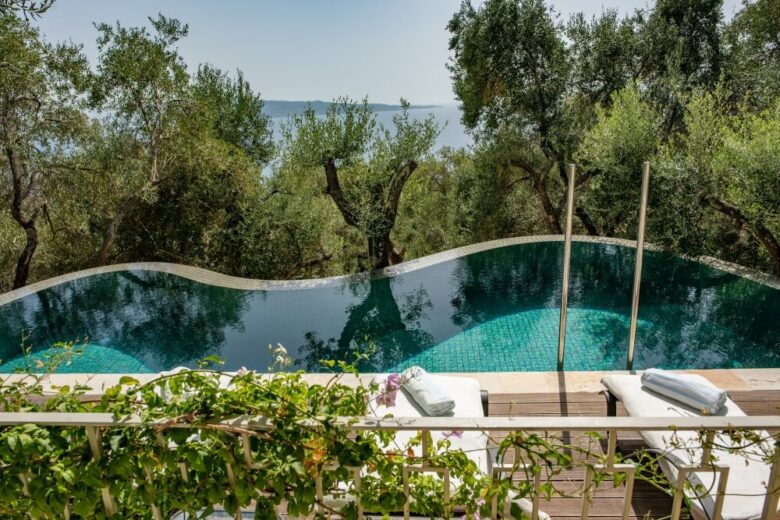
The north-east coast of Corfu is a good place to eat simply and well. Along the road from Kassiopi down to Nissaki and Kalami, you will find small tavernas that cook what the island grows and what the local boats bring in. Expect grilled fish, slow-cooked meat dishes, vegetables in olive oil, and a few recipes that belong to Corfu rather than to the Greek mainland.
This guide is meant to help you choose with confidence. It explains how to tell a taverna worth sitting down in from one that is not, and how to read a menu so that you order the dishes the kitchen does best. It also covers the practical side of eating here as a visitor, so that you spend your evenings on good food and not on guesswork.
What to eat on the north-east coast: local dishes worth ordering
The local food on the north-east coast of Corfu rests on a short list of ingredients: olive oil, fish from the nearby sea, vegetables from the season, and a handful of herbs and spices that reached the island through centuries of Venetian and Ionian trade. Once you know this, a menu becomes easier to read. The best Corfu dishes are not complicated. They depend on fresh produce, slow cooking and generous use of oil from the groves that cover the hills behind the coast.
Olive oil is the base of almost everything. It goes into the pan, over the salad and onto the bread, and in a good taverna it is pressed from olives grown within a few kilometres. Expect it to taste green and a little peppery. If the oil on the table is poor, the rest of the meal rarely makes up for it, so it is a fair first test of a kitchen.
Several dishes are particular to Corfu and are worth looking for even if you usually choose something familiar. Pastitsada is beef or rooster cooked slowly in a spiced red sauce and served over thick pasta. Sofrito is thin slices of veal in a sharp garlic, white wine and parsley sauce, usually with rice or potatoes. Bourdeto is fish stewed in a fiery red pepper sauce, and it is a staple in fishing communities along this stretch of coast. These are traditional food in the true sense, still cooked at home on Sundays and feast days, not recreated for visitors.
Fish is the other pillar. On the north-east coast, boats go out daily, and small tavernas near the harbours often serve what came in that morning. Grilled sea bream, red mullet, fried small fish such as picarel, and octopus left to dry in the sun are all common. Ask what was caught that day rather than assuming the whole menu is fresh.
Vegetables follow the calendar. In spring you may find wild greens and artichokes, in summer tomatoes, aubergines and courgettes, and later in the year pumpkin and beans. Dishes such as briam, a baked mix of summer vegetables in oil, and stuffed tomatoes or peppers are reliable choices. The local cheeses, the ladotyri soaked in oil and the soft white cheese served with olives, round out a meal built entirely on what the island produces.
When you read a menu, these are the items most likely to give you an honest picture of the kitchen:
- Pastitsada or sofrito, the two best-known Corfiot specialities
- Bourdeto, the peppery fish stew from the fishing villages
- Whole grilled fish, priced and chosen by the day's catch
- Seasonal vegetable dishes such as briam or stuffed vegetables

How to choose a taverna: from fishing villages to quiet coves
The article title is in English, so this section is too. Choosing among the tavernas of north-east Corfu is easier once you know what to look at. Start with the setting. A table at the water's edge in a fishing village such as Kalami or Agios Stefanos gives you the view and the boats coming in, but it also draws the most passing trade. A quieter cove, reached by a narrow road or a short walk, usually has fewer tables and a smaller kitchen. Neither is better by default. The harbour is where fish is landed, so the supply is close. The cove is often run by one family who cook what they have that day.
Look at the menu before you sit. A short menu is a good sign, because it means the kitchen buys what is in season and does not stock a freezer for every dish. Be wary of a long list that runs from pizza to steak to sushi, with photographs beside each line. Where fish is sold by weight, the waiter should bring it to the table so you can see it. If every fish is available every night, in every size, it is probably not caught that morning.
Watch who is eating. Tables of local families, especially at lunch on a weekday, tell you more than any review. Greek diners are particular about oil, bread and vegetables, and they will not return to a place that cuts corners. A mix of locals and visitors is fine. A room filled only with visitors, and staff calling people in from the pavement, is a reason to walk on and look for other places to eat.
Small details show honest cooking. The house wine arrives in a plain carafe and tastes of the island, not of a label. Salad is made of tomatoes that taste of something, with oil that is fruity and slightly peppery. Bread is fresh, not sliced and reheated. If a taverna serves its own olive oil or sells it in unmarked bottles by the door, ask about it. Many visitors want to take that flavour home, and the Eremia olive oils and Corfiot pantry goods in the shop are a good place to continue once the holiday ends.
When you are deciding where to eat among the best tavernas of the coast, these checks help:
- The menu is short and changes with the season.
- Fish is shown whole and priced by weight.
- Local families are at the tables, not only visitors.
- Bread, oil and house wine are plainly local and fresh.

Eating well as a visitor: timing, ordering and bringing the flavours home
Corfu food follows the rhythm of the island, and a few habits will make your meals easier. Lunch in a taverna usually starts late, often after two, and runs well into the afternoon. Dinner is rarely served before eight, and many tables fill closer to nine. If you arrive at the early end of either window, you will often find a quieter room and a kitchen with time to spare.
A few taverna tips help when ordering. Most places expect you to share. Order a few cold dishes and a salad first, then decide on a main once you see how much is on the table. Fish is normally sold by weight, so ask to see it and ask for the weight before it is cooked. House wine comes in small carafes and is usually a sensible choice. Bread and water are often added to the bill as a small cover charge, which is normal and not a mistake. In summer, book ahead for a table by the water, especially at weekends.
Taking the flavours home is simple if you choose well. The best local products travel easily and keep for months. Olive oil is the obvious one. Look for a bottle or tin from a single estate, and keep it away from light and heat once you are home. Dried oregano, thyme and sea salt are light and cheap to carry. Honey, preserves and the island's kumquat sweets also pack well. Bottles should be wrapped in clothing and placed in the middle of your case.
If you would rather not carry glass through the airport, Eremia offers a range of Corfiot goods that you can look through before or after your trip, and the olive oil page is a good place to begin. Before you buy anywhere, it helps to check a few things.
- Check the harvest date or the year on the label, as fresher oil tastes better.
- Choose dark glass or a tin rather than clear plastic.
- Ask the producer or shop how the oil was stored.
- Buy the amount you will use within a few months.
The north-east coast of Corfu gives you more than one way to eat well, and the choice comes down to what kind of meal you want. A harbour taverna suits a long, lively lunch with the day's catch. A small place above a quiet cove suits a slower evening, with fewer dishes and a view that does most of the talking. Neither is better. They simply ask for different moods, and it helps to decide which one you are in before you set out.
You do not need a plan that covers every meal. One good table, chosen with a little thought, is enough to shape a day. Pick the village or cove that appeals to you most, check when the kitchen opens, and go. If you would like to plan the rest of your stay around places like these, look at the Eremia listings for the north-east coast and note the ones that fit how you like to travel.
A short way to settle it:
- Choose a harbour village for fresh fish and a busier atmosphere.
- Choose a quiet cove for a calmer meal and simpler food.
- Book or arrive early if you want a table by the water.
- Keep one evening free to follow a local recommendation.